Meeting the beaver
In the viral clip, a man follows a beaver and comments on the encounter in Polish. The central exclamation is “Bóbr, [expletive]!”; in Polish speech this coarse word often works as an interjection, though it also has a literal offensive meaning. Therefore the translation depends on intonation: it may sound like strong surprise or cursing, rather than a literal address to the animal. One should not invent a long monologue around the short phrase in advance if it is absent from the specific version of the clip.
Videos of Poles emotionally commenting on animals existed before this beaver encounter. It was this video that spread beyond the Polish-speaking audience in 2022 and gave the recognizable phrase. Some archival retellings point to early circulation in spring, but it is hard to establish a single first publication and original author from the available copies. It is more accurate to speak of a video that became viral, rather than to claim it was the first video of its kind.
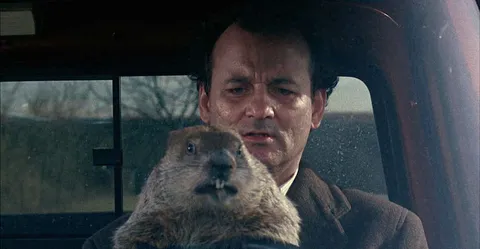
In the meme version, the beaver looks unexpectedly calm, while the man behind the camera reacts very loudly. This mismatch is the main contrast: an ordinary animal suddenly becomes the star of the conversation, as if the cameraman had met a celebrity. Later the phrase was transferred to other animals and even objects, keeping the emotional “I can’t believe I’m seeing this.”
What the phrase means
On the Russian-language internet, “Bóbr [expletive]” often serves as a jokey greeting: you see a photo of a beaver — and remember the clip. It can convey delight, surprise, mild rudeness or a deliberate parody of very emotional speech. There is no single Russian phrase that precisely preserves both the cursing meaning of the Polish word and its colloquial function. Therefore, in articles it is better to explain the tone rather than replace it with a literal translation.
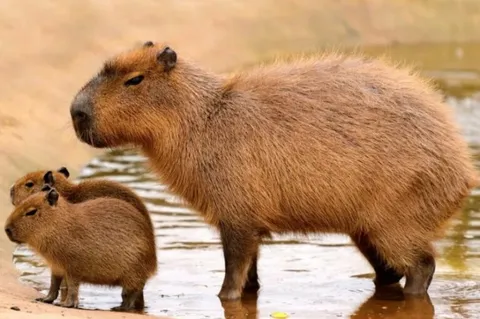
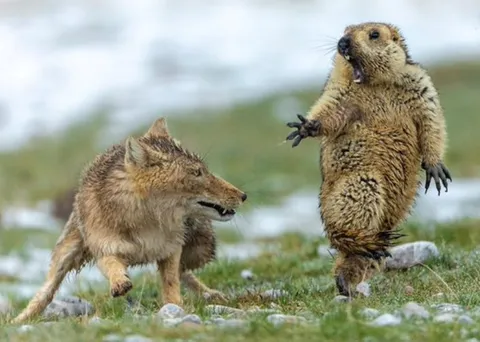
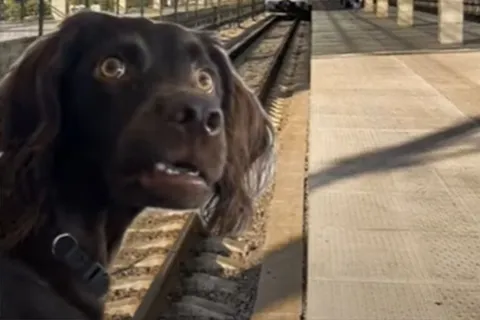
The format grew into a family of “[expletive] + animal”: users substituted a hedgehog, an otter and other animals. Sometimes the sound was laid over a video of a creature that did not look like a beaver at all; it was the mismatch or absurd recognition that became the joke. In such variants the template no longer reports a real Polish man — it quotes a collective reaction familiar from a short clip.
Why the video is easy to retell
The scene has everything needed for a short internet story: an animal, a sudden appearance, camera movement and a voice with a sharp reaction. Even without subtitles, the viewer hears the emotional stress; once the word is recognized, one can repeat it in another situation. Repeated remixes sometimes add a song or editing, but the original contrast needs no extra effects.
An invented version might sound like: “I opened the cupboard and there was a fifth bag of buckwheat” — next to a photo of a beaver; or “went out to take out the trash and met a hedgehog with the air of a landowner.” But if the original sound is used, remember that Polish cursing is quite coarse. In family or work correspondence, it is better to keep only the recognizable “bóbr” or choose a neutral reaction.
What not to make up
From the clip one cannot tell who the man was, why he followed the animal, and how exactly the video was shot, if there are no reliable details about this. Do not call him the first Pole to film a beaver, and do not pass later dubs off as the original. Repeatedly published copies may crop the sound and change the title, which makes it difficult to reconstruct the early chain of spread.
Also, not every video in which a similar curse is heard belongs to this story. If a caption simply contains the word “bóbr,” a reference may be enough for the reader; if an article claims a historical explanation, separately describe the early video format and its later variants. This way a funny brief reaction stays funny, without growing invented biographical details.