What the picture shows
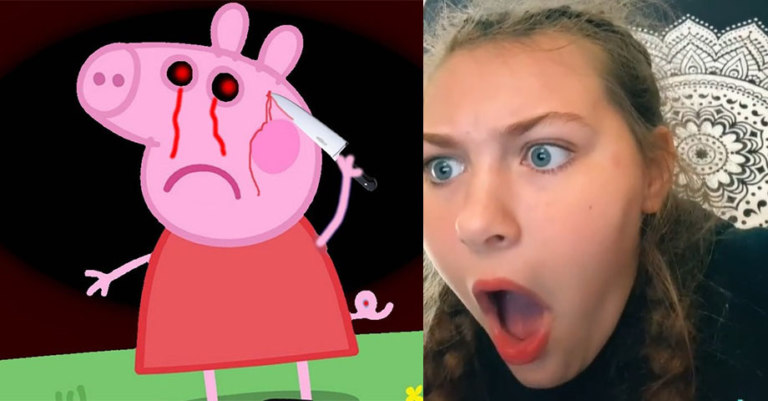
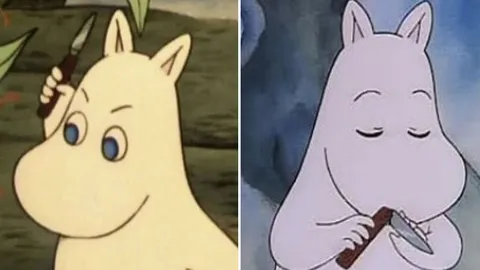
The left half is a reworked frame of the animated pig Peppa. Instead of her usual black dot eyes, she has blood-red pupils, red streaks run down her cheeks like bloody tears, and she holds a knife in one of her hooved hands. The background is dark, almost black, which heightens the contrast with the pastel palette of the original cartoon.
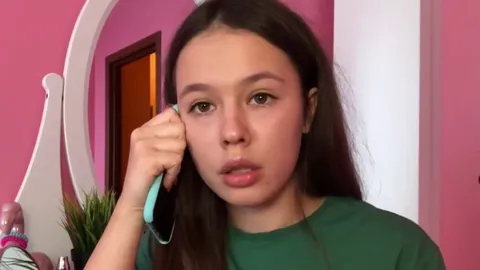
The right half is a close-up, head-on shot of a young woman: her mouth is wide open, her eyes are wide, and her eyebrows are raised. It is the classic expression of extreme surprise or fear that TikTok users use for reaction inserts when watching something unexpected or creepy.
The roots of the creepy Peppa
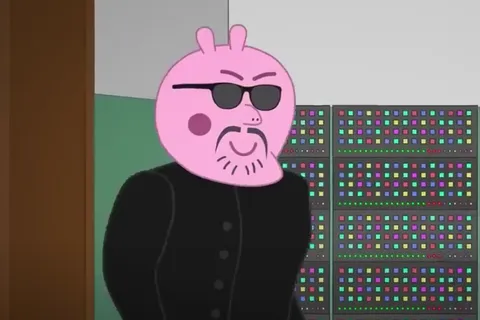
Peppa Pig is a British animated series for preschoolers, airing since 2004 and known for its gentle, kind style with no hint of violence. That is why alternative, frightening versions of the character regularly become material for creepypasta and horror memes: the strong gap between the expected harmlessness of the character and its grim reworking creates the surprise effect on which the genre is built.
Distorted images of Peppa with blood, knives, or sinister expressions had been circulating online in many variations for several years before this particular TikTok clip, so this knife image is just one of many versions of “scary Peppa” making the rounds on the internet.
Origin of the TikTok reaction version
This specific combination, creepy Peppa plus a frightened reaction, is linked to a viral TikTok video that spread in November 2020. However, who the original creator was and what exactly happened in the full version of the video are not confidently established. The “reaction plus scary image” format was already a well-established TikTok genre by then, and similar clips were widely copied and re-shot by different users.
The genre of reaction horror clips on TikTok
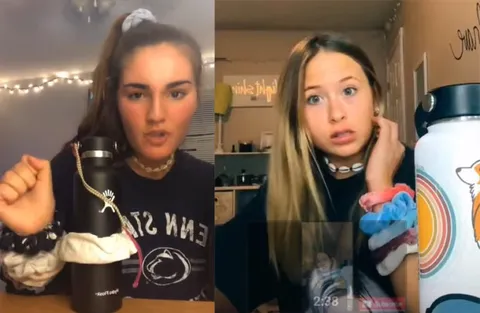
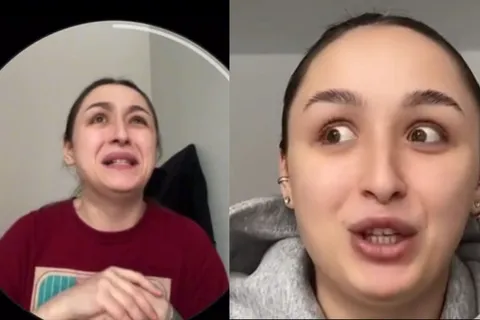
The device in which a creator shows the viewer a frightening image and then their own reaction in close-up became widespread on TikTok in 2020, alongside the growth of short-form video. Such clips simulate fright in real time and count on the viewer flinching at the unexpected image before seeing the reaction itself.
“Scary Peppa” proved convenient material for this genre because of the contrast: a recognizable children’s character turned sinister works more strongly than traditional horror imagery, since viewers subconsciously don’t expect violence in a cartoon for toddlers.
Typical captions
The meme is usually captioned with lines that play on the contrast between the children’s content and its grim presentation, for example: “showed my little sister the new Peppa episode” or “when you finally realize what’s really going on in this cartoon.” Such phrases emphasize the playful mismatch between the “kids’ show” genre and the visual content of the image.