What's depicted
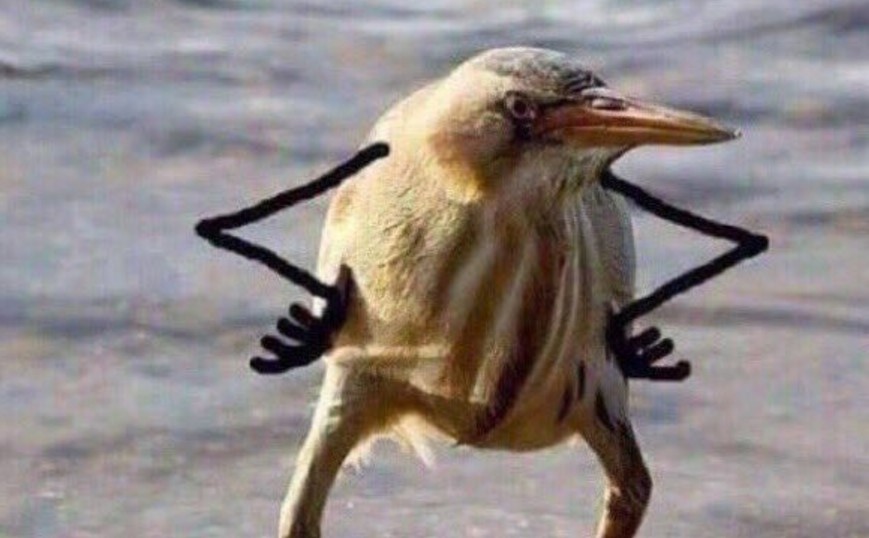
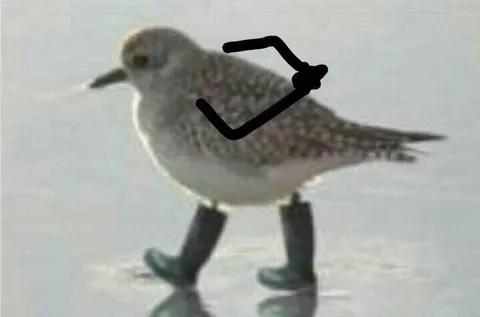
In the photo, a light-colored, long-billed bird stands in the water against a blurred watery background. Thin black arms with hands and fingers are drawn on top of the shot, making the bird's pose resemble that of an irritated person standing with hands on hips. Thanks to this simple edit, the animal starts to look like a character with a particular emotion.
In the meme's description, the bird is called a "volchok," that is, one of the herons or birds close to them. The exact species has not been confirmed within this text, so it's best to go by the general picture: it's a long-legged water bird that looks wary and annoyed in the photo.
Where the phrase comes from
The phrase "Tak, blyat" is linked to a meme about Navalny. The circumstances of its appearance in the media space are not known, so the phrase's origin and the date of its first publication remain unestablished. It's known that short lines from videos in internet culture often become independent memes and detach from their original context.
The meme relies on the recognizability of the gesture. Someone who knows the original line hears sarcasm and annoyance in it. Someone who doesn't know it still sees obvious irritation, which makes the picture easy to spread.
How the meme spread
The tag points to 2017, when pictures of animals with captions took a prominent place in Russian-language groups and forums. Animals with drawn-on arms and faces have long formed a separate genre, and this bird turned out to be a successful character: its motionless gaze creates a comic contrast with the pose.
Variants of the meme are built around a single scheme: a shot of an animal, added limbs, a short caption. Authors change the background, the pose, and the phrase while keeping the combination of gesture and line by which the picture is recognized.
Political context
Navalny in this meme is a public figure, and the reference to his well-known video serves as a marker rather than mockery of the person. The meme uses the line as a shared language for expressing displeasure, and such references are typical of political humor in the Russian-language internet.
The picture's meaning doesn't depend on this: it's about irritation that's understandable even without the politics. That's why the meme easily transfers into everyday contexts, for example when something doesn't go according to plan or someone makes a ridiculous remark.
How to use it
In chats, the picture is posted as a reaction to a failure, unpleasant news, or a pointless question. A caption isn't necessary, since the pose itself expresses annoyance, and the meme reads instantly.
For those collecting a meme archive, it's useful to record the source of the bird photo and the first publication with the caption. The exact data in this text have not been confirmed and need additional verification.