Where the frame comes from
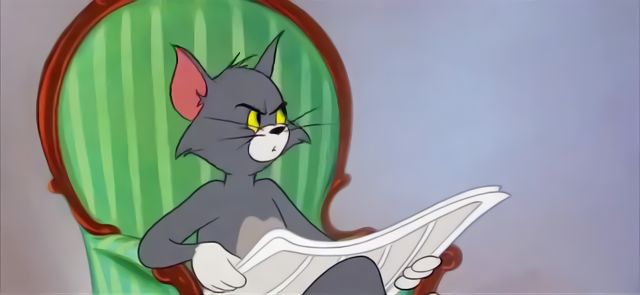
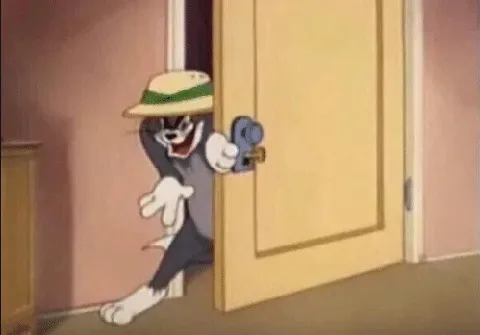
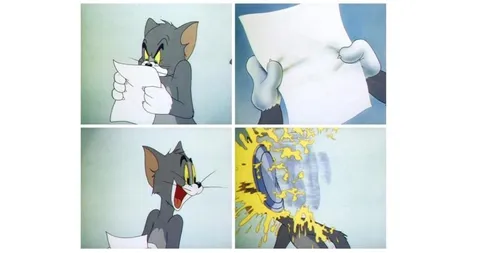
The frame comes from the 1956 short “Down Beat Bear” in the Tom and Jerry series. According to meme-tracking records, Tom sits in a green armchair with an open newspaper, and that moment became the basis of the meme. The image the catalog shows uses the same device: the cat has turned his head to the side, his eyes are narrowed, and the newspaper is held in both hands.
The frame is recognizable not because of the plot but because of the facial expression. The animators conveyed distrust with a single glance, and that was enough for the image to live on separately from the film.
How the meme spread
The first image macros with this frame appeared in early 2017, and their captions were often harsh. The first known version was posted on Memedroid on May 20, 2017: the caption was about a roommate behaving strangely. Wide recognition came about a year later, in the summer of 2018.
The format quickly spread across forums and social networks, where it was used as a reaction to unpleasant news. The picture suited short comments, so it was placed wherever you needed to show silent disbelief without a long text.
Typical caption
The classic setup is a description of a confusing or potentially tragic situation, after which Tom has to look away from the newspaper. Stylized examples: “Neighbor drilling into the wall at 3 a.m. I’m just reading the newspaper.” and “Notification came in: ‘we’ve updated the terms.’ I’m calm, I’m reading the newspaper.” The gap between the trouble and the cat’s calm is where the humor comes from.
The more absurd the situation, the stronger the contrast. A caption can be any length, but short lines work best, the kind where you immediately see what happened and why the cat distrusts it.
Variations and replacements
The template was later remade. What Tom reads was changed: instead of a newspaper there were reports, bills, reviews, and sometimes Tom himself was replaced by another character or a person. The key detail stayed the same: the look over whatever is being read. These variants pushed the meme beyond the series, and now it works as a universal symbol of a suspicious glance.
This pattern is typical of many older frames: an expressive face outlives its original context and becomes a set for new captions. That is why you can find this meme in discussions of work, in talks about purchases, and in arguments in the comments.
Why the frame works
The meme rests on the expressiveness of the face and the simplicity of the composition. One frame is enough to convey distrust, so the caption can change the meaning however you like. The 1950s visual style adds contrast: an old cartoon looks serious in modern situations, which strengthens the joke.
The Tom and Jerry theme helps too: the characters are known to a broad audience, and their reactions read without explanation. That is why the meme stays clear even for people who haven’t watched the cartoon in a long time.
Tom’s role as the victim of endless misfortune matters as well. Viewers know the cat regularly gets into trouble, so the suspicious look over the newspaper reads as a premonition of another catastrophe. This context adds an extra layer to the caption, even when the caption itself is very short.