The game character
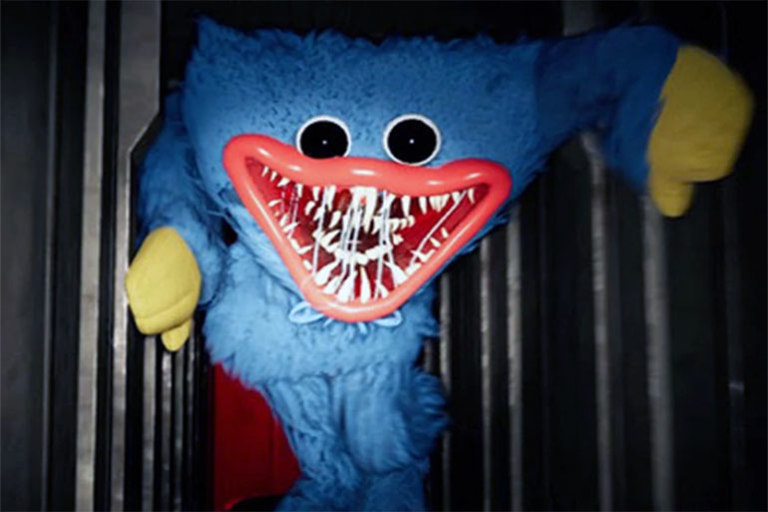
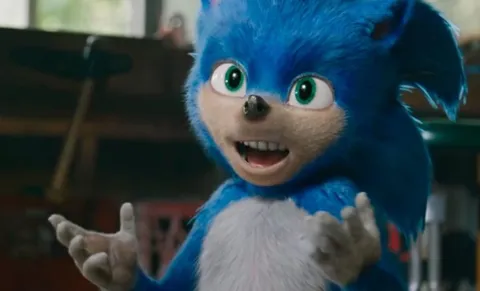
Huggy Wuggy is a toy come to life from Poppy Playtime, a horror game whose first chapter came out in 2021. The character is designed as a bright factory-made doll with blue fur, long limbs, and a wide row of teeth. In the game, his cute appearance is set against his role as a pursuer, and that contrast immediately sets an unsettling tone. In this particular image you can see the blue fur, round eyes, red lips, and dark vertical bars in the foreground.
The game quickly caught the attention of playthrough creators and short-video audiences. Along with discussion of the game itself, memes about Huggy, Kissy Missy, and other characters spread. Different posts mixed the horror design with soft toy versions, fan art, and domestic skits. So the term "Huggy Wuggy" can refer to the game character himself, a toy or parody version of him; this particular image shows specifically the in-game monster.
Why a scary design became a meme
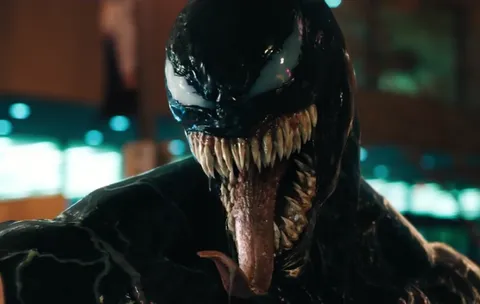
The visual effect rests on a clash of two codes. The blue fur and round eyes resemble a soft toy, but the gaping mouth is packed with sharp teeth. Zoomed in close, the grin fills almost the whole frame, and the dark surroundings add the sense that the character is watching from hiding. The horror quickly tips into absurdity, especially once a caption about some everyday problem shows up next to it.
The character's popularity doesn't mean the game is meant for small children: Poppy Playtime uses horror techniques and can include frightening scenes. In memes, the character often loses his original menace and becomes a joking conversation partner, a collectible toy, or a reaction to a sudden noise. These meanings belong to user culture and don't describe the game's plot as a whole.
Caption examples
The close-up of the gaping mouth suits a joke about something that suddenly pops up on you and that there's no escaping — the same clash of soft toy and fanged monster that holds the whole image together. For example: "I said I wouldn't check work email in the evening. Work email at 9:03 PM." Another option: "When you decide to quickly open just one tab, and the browser reminds you about the forty-seven already open." The toothy grin underlines the exaggeration, while the bars can be played up as the line between a calm plan and reality.
If you use the character as a reaction image, you can build the caption on a mismatch: "Wanted to watch a cute toy video, ended up on a horror playthrough" or "When a friend says: 'It's really not scary at all.'" Don't claim the monster shown is in a real house or actually threatening someone. The picture is a processed image of a game character, not a photo of an actual creature.
How to keep the context straight
In discussion, it helps to specify which version is meant: the game character, the plush toy, fan art, or a specific meme sound. This matters especially because Russian-language videos include distorted pronunciations of the name and many independent storylines. Not every video with a blue toy is connected to the original game plot.
This particular image doesn't show an exact scene and doesn't establish who made the edit. So the description is limited to recognizable details and the general connection to Poppy Playtime. The meme runs on visual contrast, and a new version just needs an everyday situation added to it — there's no need to put real words or actions in the character's mouth.