How a moral became a joke
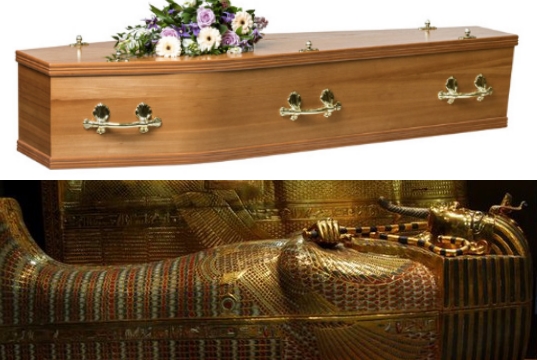
The format's predecessor was a picture comparing identical coffins of successful and unsuccessful people. Its point was that life differences disappear after death. A dated trace of that post exists on Reddit in March 2016 in the r/im14andthisisdeep community, where overly profound-sounding statements were discussed. That summer the image spread on Tumblr.
In January 2017 parodies appeared with a third category and an unusually lavish burial for it. The comparison stopped proving equality: the author suddenly declared a favorite band the exception. In 2018 the format was noticeably used in jokes about people thanking a bus driver. A very small polite gesture became grounds for royal honors. This is exaggerated gratitude expressed through the language of a grim object comparison.
Two tiers in this picture
The image consists of two horizontal parts. Above is a modern wooden coffin with metal handles and flowers on the lid. Below is a richly decorated anthropomorphic sarcophagus with golden details, stripes, and a face on the lid. There are no captions here, and the third category has not been added yet. So this is the basis of the comparison, not a finished three-step joke.
The contrast is visible in materials, decoration, and shape. The upper item looks familiar and restrained; the lower one recalls a museum image of a royal burial. At the same time, the photo of the sarcophagus alone does not establish whose it was: the name of a specific ruler is not needed for the macro's meaning. A visual sign of exceptional luxury is enough, and the viewer reads it before any details.
Why the format needs a third participant
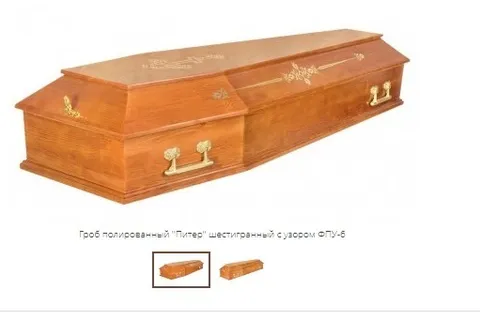
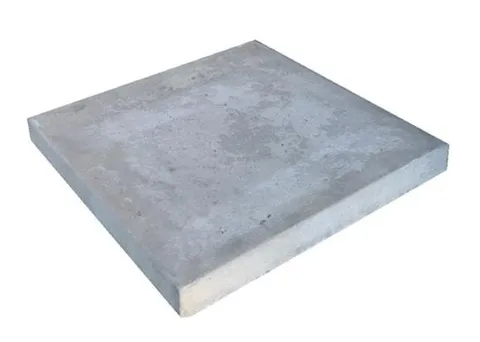
The first two categories set a scale the reader already expects: poorer and richer, plainer and more lavish. The third must break that predictability. It may turn out even more majestic if the meme praises a particular act, or unexpectedly down-to-earth if the author mocks a habit. Russian-language versions have included deliberately disrespectful containers instead of a coffin, shifting the tone from praise to condemnation.
Without a third point the image remains a direct comparison of property. The extra category introduces an absurd criterion of merit: not wealth, but the ability to return someone else's pen or close a door in time. The effect is stronger when the first captions are short and expected. Then the reader has time to accept the serious structure and only at the end discovers the absurd exception it was built for.
Invented holders of special honors
Invented example: 'Ordinary people / Rich people / People who return the shopping cart to its place.' The last category receives excessive reward for a small service to others. Another storyline: 'Those who were late / Those who came on time / Those who announced the cancellation of the meeting before leaving home.' Here the gratitude is directed at saved time.
Third variant: 'Tea lovers / Coffee lovers / The person who washed the mugs after everyone.' It turns a dispute over tastes into a playful ranking of usefulness. All three situations are invented and rest on an unexpected choice of top category. The added image should reinforce that choice: the luxurious sarcophagus expresses excessive honor, while the everyday box creates a very different, less kind resolution.