The first tweet and early jokes
The starting point for the format is usually taken to be a tweet from February 2016: user @molliefounds posted a photo of dancing white women with a caption saying that Ancestry.com had found Black relatives in her family tree. The contrast between expectation and test result is the key comedic device on which the whole format rests.
Until 2018, similar jokes periodically surfaced on Twitter. Users posted screenshots of their DNA results with ironic comments about unexpectedly discovered percentages of one nationality or another, such as the joke about “0.00001% Jamaican roots.”
The Holocaust format on Reddit
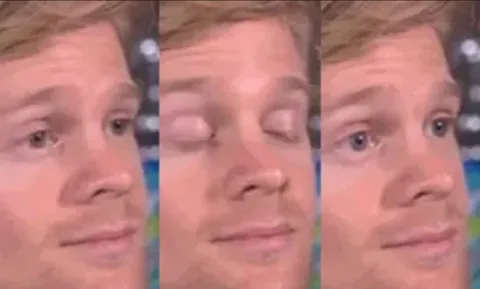
The format took on a stable template, a “service quote, person’s reaction” structure, on February 25, 2018, when a Redditor named Flutfar posted a frame from a YouTube video titled, in effect, “I survived the Holocaust.” The caption built an absurd dialogue: the service reports that the user is two percent Jewish, and he responds with a straight face that he survived the Holocaust. This is an obvious hyperbole that exposes the absurdity of overidentifying with a negligible share of genetic heritage.
A second wave in late 2019
Almost two years later, in late November 2019, the format had a new wave on Reddit: the meme again reached the top of the section and within days spread across dozens of language segments of the internet, including the Russian-speaking one. It was this second wave that cemented the meme in its current, maximally flexible form, with any reaction picture in place of one specific frame.
Adaptation on the Runet
When the format moved into Russian-language groups, the caption was slightly changed: the mention of the specific service Ancestry.com was dropped, leaving the universal construction “when the DNA test says…” This made the template less tied to Western realities. In the Russian version the joke works less about a specific test brand and more about the very phenomenon of the fashion for such services and people’s intense reactions to their results.
How the meme is used
The meme is used to mock people who blow up the tiny share of ethnicity found in a test and start behaving accordingly in a demonstrative way: for example, suddenly getting into tea-drinking after finding half a percent of English roots, or starting to correct everyone around them about their “true” origins.
A typical caption in this genre reads, for instance, “when the test showed 1% Scandinavian roots,” followed by a photo of a person proudly sporting everything associated with Vikings, or “when I found out about 3% Italian blood,” with a conversation partner who has suddenly started gesticulating while talking.
Why the theme proved durable
The format’s durability is largely explained by the fact that genealogy services such as Ancestry.com or 23andMe had become a truly mass craze by the late 2010s. Millions of people ordered tests, and screenshots of ethnicity percentages had become routine social media content long before a stable meme template took shape.
Thanks to this, the format easily survived several waves of popularity in a row. Each time a service released an updated algorithm or cut the price of a test, a fresh batch of results appeared online, along with a new reason to revive the old joke about unexpected ancestors.