Polish words and pets
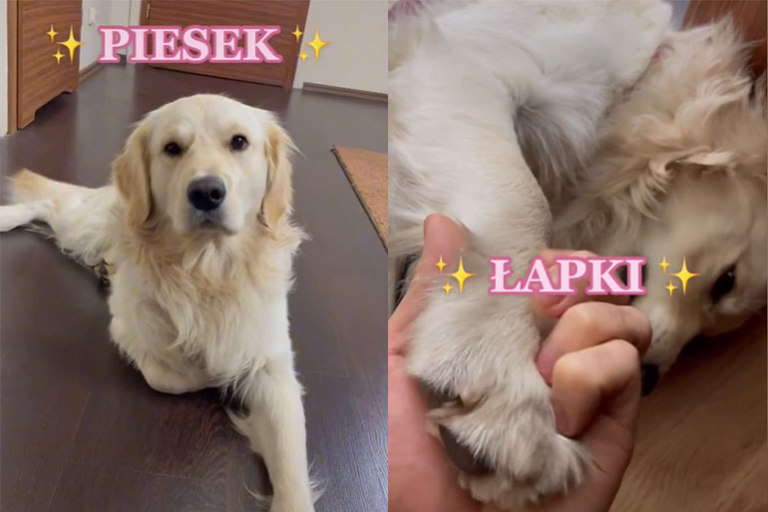
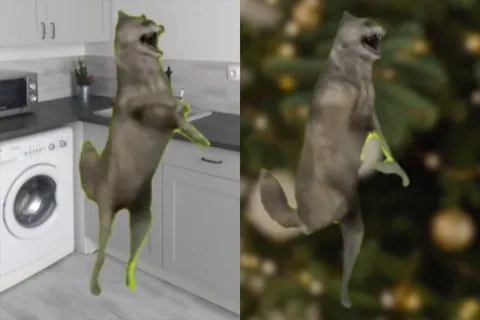
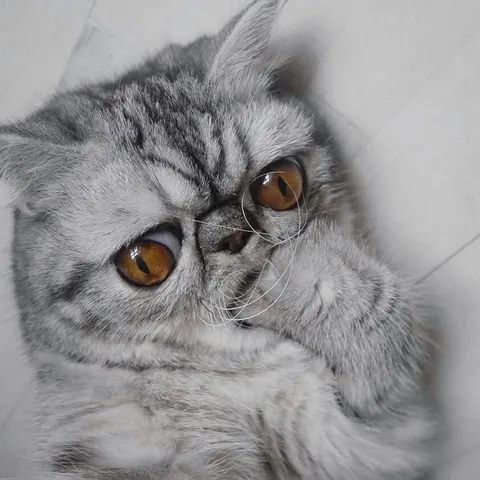
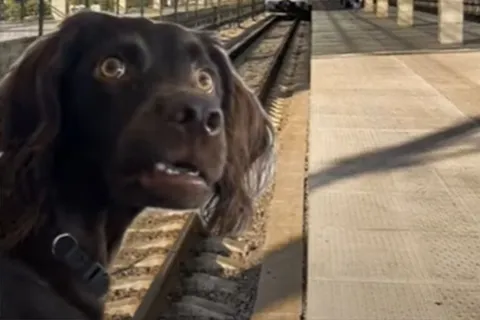
Piesek means "doggy" in Polish, and kotek means "kitty." In the short musical clips, these words get repeated as simple, affectionate names for the animals. The photo shows two frames of white dogs: on the left the pet is lying down, on the right there's a close-up of its face. PIESEK is placed above both images, putting the focus not on a complex storyline but on the word itself and the pet's endearing reaction.
Clips like this became popular in Polish-language short-form videos, where pet owners filmed their animals to the matching song. The format later spread beyond its original audience: viewers don't need to know Polish to get the visual side, and the repeated word is easy to pick up. Versions with kotek use the same principle, swapping in cats for dogs and changing the sound or shots.
sound and the visual joke
The rhythmic repetition of the word resembles how an owner calls their pet. That's why the clip is usually built simply: the music plays while the dog or cat looks into the camera, moves, or comes closer. What's funny isn't some elaborate action but the way the rhythm lines up with the animal's gaze. In the collage, the second shot is zoomed in, as if the pet had decided to answer the musical call.
The Polish adds a bit of exotic flavor without obscuring the meaning: the word "doggy" is short, affectionate, and easy to guess from the image. Creators often repeat the chorus, speed up the clip, or add their own sounds. Because of all the remixing, the word piesek and its sung repetition can show up over different music, but the visual motif — a close-up of the pet's face — stays the same. Not every post featuring a dog and the word PIESEK necessarily uses the original track.
how to use the format
The trend suits showing a pet in two moods: first calm and lying down, then noticing food, a walk, or a familiar voice. The caption can be as simple as "Said 'walk' from the next room" or "Opened the bag of pet food." What matters most is keeping the sense of an affectionate call, rather than making the animal do tricks for the shot. The pet can simply look into the lens — that's enough.
The image also gets used as a reply to a post about a dog or cat. It fits well in congratulatory posts, pet roundups, and posts about everyday habits. Translating the word helps the reader, but there's no need to turn it into a long Polish grammar lesson. It's a musical format built on repeating simple words and on owners' emotional reactions to their pets.
from trend to a stand-alone image
Over time, the audio clip and the pet photos started circulating separately. Some users kept the music, others used only the word or the visual template. The image shows a pair of white dogs, but its original clip and exact date can't be established. There's no basis for claiming these particular dogs were the first stars of the trend or that the collage was shot by the song's original author.
Specific details of the origin can vary between reposts, especially when short musical clips get passed across multiple platforms. It's safer to describe the general principle: Polish words for dog and cat, a light rhythm, and pet videos. That explains why the format outlived its original soundtrack and became understandable to an international audience. New captions usually keep the affectionate tone and shift the focus onto the pet's behavior.