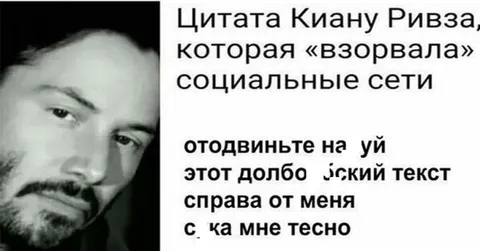
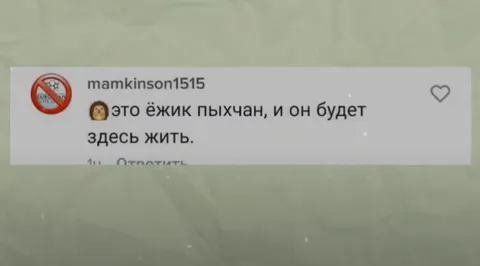
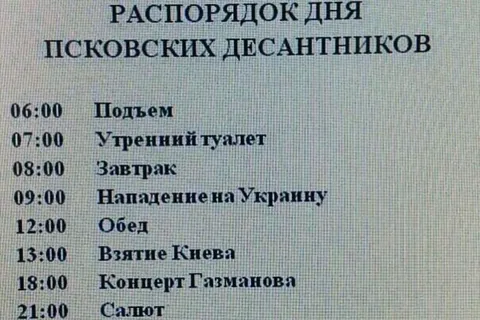
A screenshot of a chat and the first odd insertion
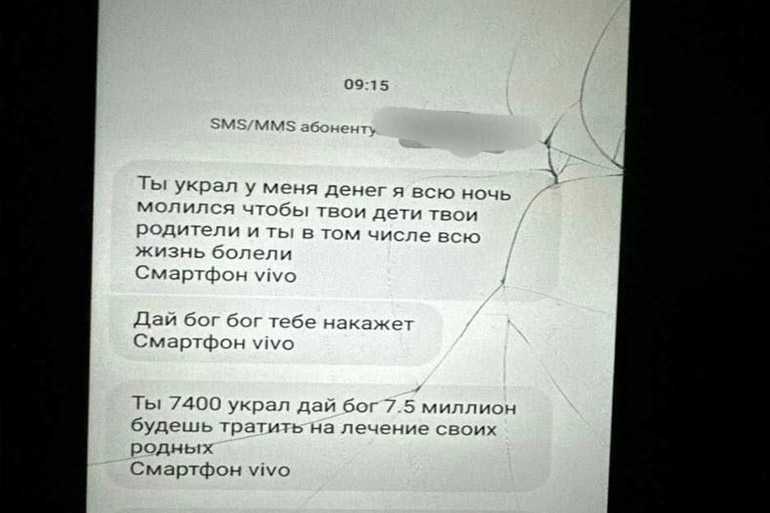
The original picture, with the repeating line 'Vivo smartphone,' appeared in a public community about scammers on April 21, 2024. In the messages on the screenshot, one person accuses another of stealing money and writes extremely nasty wishes at them; between the lines, the name of a smartphone turns up, as if it were a product tagline or an ad block that stuck on by accident. It's unknown whether the chat reflected a real conflict or was invented for the post. So its content shouldn't be retold as a confirmed crime committed by a specific person.
The local image preserves the phone's text-message format, with a timestamp, messages, and the repeated brand name; this is already a meme composition, not the phone itself. The repetition is rendered in the message line as if automatic, and that very disjointedness is what makes it funny. The word 'Vivo' later started being inserted into other posts with no original backstory, turning it into a free-floating noise element.
A stranger's label interrupts the drama
The chat promises serious drama, while the repeated device name sounds completely out of place. The reader expects the next line of the conflict but gets a dry commercial label instead. Several repetitions turn it into a refrain that interrupts the meaning of the messages. That's how post-irony works: the more insistently the line appears in an impossible context, the less the joke needs explaining. The repetition acts like a jarring editing seam: the phrase doesn't respond to the previous message — it cuts it off each time, forcing the reader to reassemble the meaning of the conversation from scratch. It's that disruption of reading, not the phone's specs, that holds the attention.
Once the insertion became a trend in its own right, detached from the original post, its meaning came to depend on the insertion itself rather than on the phone model. This isn't an ad and not a product recommendation. The original chat includes aggressive language and threats, but that can't be used as a characterization of real scam victims.
Examples of a sudden insertion
In a work chat: 'I checked the presentation. Vivo smartphone. Swapped out the chart on slide three. Vivo smartphone.' The content is ordinary, but the line breaks the expected flow and mimics the original repetition. For a shopping list: 'Need milk, bread, cat food. Vivo smartphone. Don't forget a bag.' The more neutral the text, the more absurd the alien product-tagline tail looks.
Another version, in a note: 'Get to the station, pick up the package, call mom. Vivo smartphone.' This is a deliberately meaningless interruption, not a claim about a brand, a seller, or a specific phone.
How to carry the insertion into a different text
Use the template as an unexpected repetition inside a message where the lines form a clear thought on their own. It works in a short text, a screenshot, or a video with a flat recital of a list. The variation comes from the length of the pauses and the number of insertions: one line creates a glitch, several create a rhythm. If every sentence ends with the same word with no escalation or contrast, the effect quickly becomes mechanical.
Don't pass the original chat off as documentary evidence, and don't spread personal phone numbers or accounts if they happened to end up in the screenshot. The point of the meme isn't to promote a device — it's the absurd, ad-like insertion. For a new version, you can invent a fictional brand name so as not to accidentally create the impression of a paid review.