Where Sudzha is
Sudzha is a district center in the southwest of Russia's Kursk Oblast, close to the border with Ukraine. It is a small town with a pre-war population of around five thousand people. Before 2024, the name was known mainly to residents of the region and to people who followed local history, but it then began appearing constantly in international news about the border conflict.
Sudzha's geography explains why the town ended up at the center of attention: the border runs close by, and nearby there are roads and infrastructure that matter to the district. However, the name on a road sign by itself does not tell you who controls the territory at any given moment or what is happening on a particular street. Claims like that require dated, verifiable reporting, since the situation kept changing.
What happened in August 2024
On August 6, 2024, Ukrainian forces launched a major offensive across the border into Kursk Oblast. The fighting quickly affected border settlements; Russian authorities announced an evacuation and emergency measures. In the following days both sides made statements about advances and control over particular areas, and international journalists reported on a difficult situation and the displacement of civilians.
In public reporting events unfolded rapidly, and claims about control of specific areas could not always be independently verified right away. It is therefore more accurate to say that Sudzha became one of the most widely discussed points of the operation, rather than to retell individual early posts as a final picture. A later shift in the front line also does not erase the fact that civilians were forced to leave their homes.
Why the town became a meme word
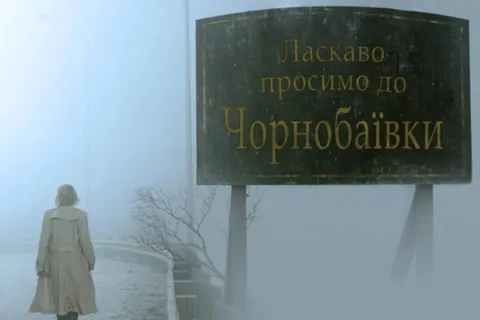
On social media, the place name turned into a short label for the news agenda. Users shared road signs, maps, statements, and footage of the evacuation. Some added irony to the rapid-fire news changes; others expressed alarm or criticized official statements. The word 'Sudzha' itself became recognizable even to people who previously could not have pointed to the town on a map.
That kind of recognizability is the usual way crisis news enters meme culture: a city's name comes to stand for an entire story. But that does not mean the event stopped being real. When a joke concerns a place where fighting is happening, posting it can be read by residents and evacuees as a comment on the loss of their home, not as an abstract geopolitical reference.
What the image actually shows
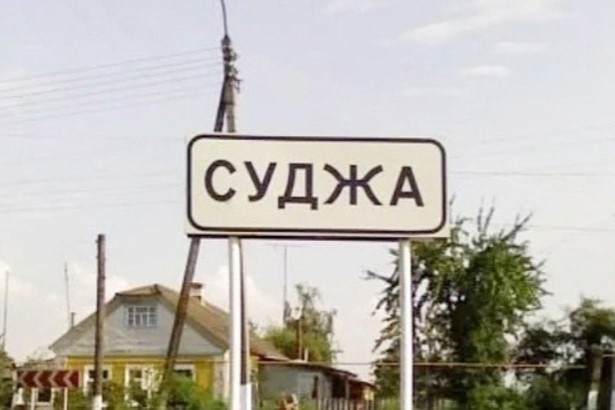
The image shows a road sign reading 'Sudzha' placed along a road against an open landscape. No fighting, casualties, or specific incident is visible in the frame. This matters: the picture only confirms that its author used the road sign as a symbol for the town. It is not evidence of control over the territory and does not date the scene.
A shot like this could accompany very different kinds of posts: a news item, an alarmed message, an ironic caption, or a reminder of a place where people live. Without the original caption, you cannot reliably attribute a stance to the author. A description should stay neutral and not pass the sign off as an up-to-date map of the fighting. The geographic subject is better discussed through dated sources, with the understanding that figures and details can change.
How to talk about memes set against a war
If someone is trying to understand the joke's meaning, it's important to explain the context without turning civilian suffering into material for laughs. You can describe how the name spread on social media while separating confirmed facts from the parties' own claims. Don't repeat unverified reports about deaths, captured sites, or specific people just because they accompanied a viral image.
In headlines and captions, avoid triumphant bravado: behind the word is a town whose residents went through evacuation and danger. A meme may reflect confusion, news fatigue, or a political stance, but it does not substitute for journalism. If the content is aimed at people from the region, keep in mind that they may read it as a conversation about their own home and safety.