The original cartoon
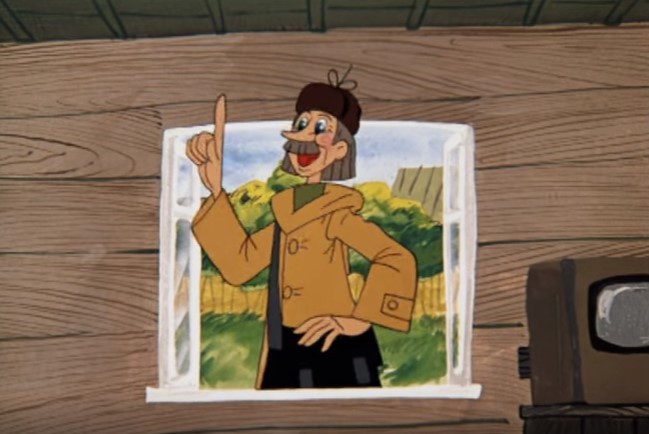
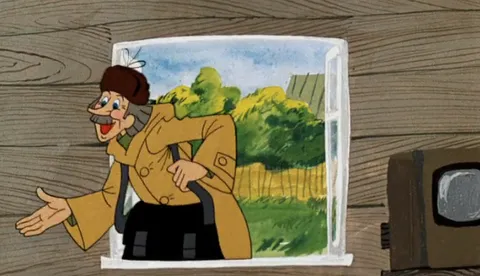
Prostokvashino, written by Eduard Uspensky, was released in 1978 by the Soyuzmultfilm studio, directed by Vladimir Popov. Postman Pechkin is one of the film's most memorable characters: a blunt, businesslike, slightly tedious official who constantly tries to follow the rules, often clashing with the other characters as a result.
The character is associated with a particular manner of speech and behavior that's easy to recognize even from a short clip. That's exactly why his image turned out to be such convenient material for parody: viewers remember his personality well and instantly grasp the context even from a single comic panel.
How the comics emerged
The format of four-panel comics using stills from the cartoon spread through Russian-speaking communities in the early 2010s. Authors picked recognizable freeze-frames and added captions to them, so the meaning arose from the contrast between the calm image and the unexpected text. The exact author of the first comics and the date they appeared have not been established.
The series' title telegraphs the plot in advance: from installment to installment, the character, who in the dialogue is usually annoyed by everything around him, ends up buried in a grave. The device is simple, but it works through repetition, and each new installment is read as just another variation on the same joke.
Structure of the joke
The four panels usually develop a simple story: the character's appearance, a conflict, an escalation of absurdity, and a final frame showing a funeral. The humor rests on the grim ending being delivered calmly and almost matter-of-factly, as if it were a routine chore rather than violence against the character.
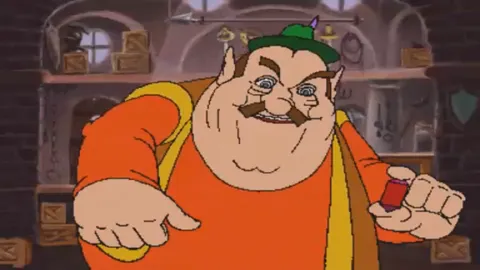
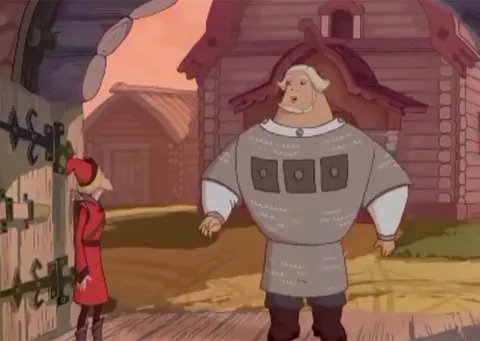
The comics often contain references to other memes, lines from Soviet films, and recognizable internet situations. Thanks to this, an audience familiar with the cartoon catches the joke quickly, while those who haven't seen it are left with just the general absurdity, which can also be funny on its own.
Spread and audience
The series spread through forums, social media communities, and themed galleries, where users shared new installments and discussed clever captions. The simple structure made it easy to copy, and many authors created their own versions, changing the ending or the caption.
The meme relied on Prostokvashino's recognizability for several generations of Russian viewers. For those who grew up on the cartoon, the joke is both funny and a bit nostalgic, since it tears down the familiar image of a calm childhood character.
Place in internet culture
The Pechkin comics belong to a broad layer of Russian-language memes that reinterpret Soviet children's classics. Such jokes show how viewers rework familiar imagery, turning it into material for irony and self-irony.
The detailed history of the series remains fragmentary: some installments were posted anonymously, and many of the pages where they first appeared no longer exist. Any dating and authorship should therefore be considered provisional, resting on the form of the meme itself and its recognizable traits.