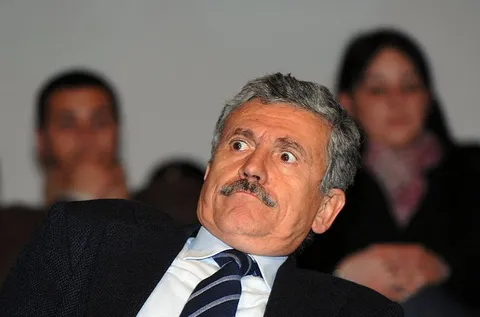
The October 2016 tweet
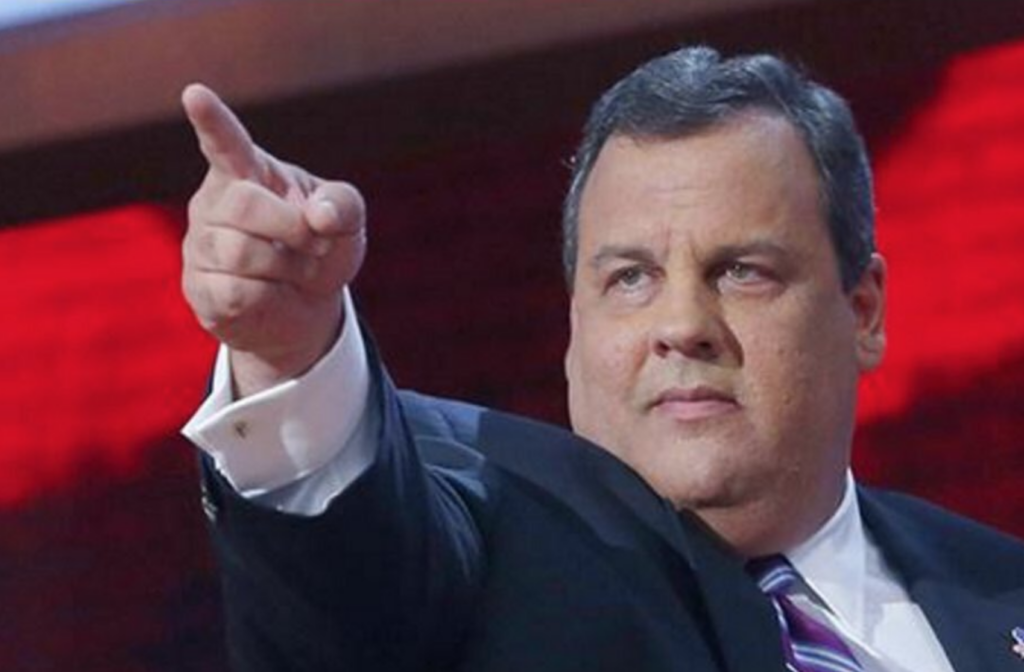
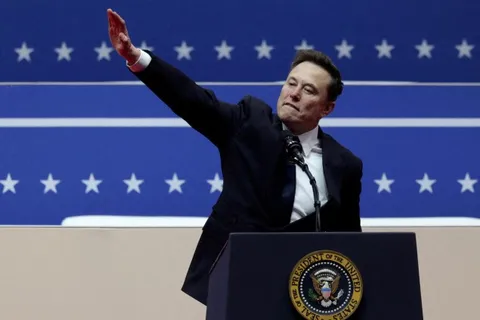
The first known tweet with this caption is dated October 9, 2016. It featured a photo of an American politician who raises his hand and points at something outside the frame. For the joke, the identity of the subject does not matter; what matters is the structure of the caption.
The tweet gathered more than eight thousand retweets and twenty-four thousand likes. Who took the original photo, at what event, and when, is not reliably known, so the only things that can be said about the photo are what is visible in the frame.
The caption itself is short and almost childlike. The phrase “another boy has a balloon” sounds like a complaint from a child who sees someone else's toy and wants one too. When it is attached to a grown man with a serious face and a solemn gesture, a gap opens between the scale of the pose and the smallness of the emotion, and the whole humor rests on that gap.
The finger that sends attention out of frame
The key element of these pictures is the gesture. In the photo, a man in a dark suit, white shirt and striped tie stands against a red background, stretching his arm up and to the left, out of the frame. The viewer's gaze follows beyond the image, and the viewer starts looking for what the man is pointing at. The caption answers the question before the viewer finds the object: outside the frame is someone else's balloon, which no one can see or verify.
What is funny is precisely that the balloon is not shown. The viewer fills in the gap: a holiday, a gift, a successful raffle, or someone's new possession. The guess usually turns out to be petty and everyday, which matches the tone of the caption. The joke relies on an empty space that everyone fills in their own way, so the template is easy to transfer to different situations.
How the template spread in 2017
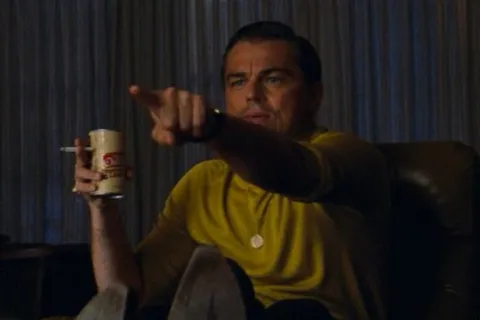
At the end of 2016, users began attaching the caption to other photos of people pointing. According to a chronology given in overview articles, on January 8, 2017 a sports account posted a photo of a Pittsburgh Steelers player with this template, and on February 20, 2017 the bassist of the band Blink-182 posted his own photo with the same joke.
Over time the template came to depend on details. Captions began to name a specific object of envy, and a successful joke almost always depends on how small and recognizable the chosen object is. Some variants stuck in memory, while others quickly disappeared from feeds: the mechanics are simple, but the result depends on precision in choosing the object.
Caption examples for your own version
Below are four standalone examples. Each keeps the structure “pointing at something that cannot be seen” but changes the object of envy.
“When a colleague already has the report finished and I only have the title.” The example works by comparing two stages of the same job: the viewer sees a confident gesture and realizes it is about a trifle that a grown person takes seriously.
“When my neighbor bought a summer house with a view of the lake, and I got a balcony with a view of my neighbor's balcony.” The joke relies on exaggeration: the modest balcony also becomes an object of envy, and it is funny because the seriousness of the pose does not change.
“When the chat is already discussing a discount that I only learn about in the line.” Here the pause does the work: the caption first seems to speak of someone else's luck, then shows that the luck concerns the queue. Expectation and reality diverge on a single word.
“When someone has already finished the program, and my first line still won't compile.” The tone of complaint emphasizes the difference between the dramatic gesture and the smallest of failures.
What is established and what remains open
Quite a lot is known about the caption itself: the first known tweet is dated and described. Less is known about the photo: neither the author, the event, nor the date can be determined, and the frame may have been cropped differently from the original publication, so its match with the first tweet is not asserted.
The meme's history is the history of a template, not a biography of the person in the frame. The joke says nothing about anyone's real relationships, character or intentions. For your own captions, it is most convenient to stick to an everyday object and the contrast between the pose and the trifle, rather than the identity of the person depicted.