A mammoth in the snow
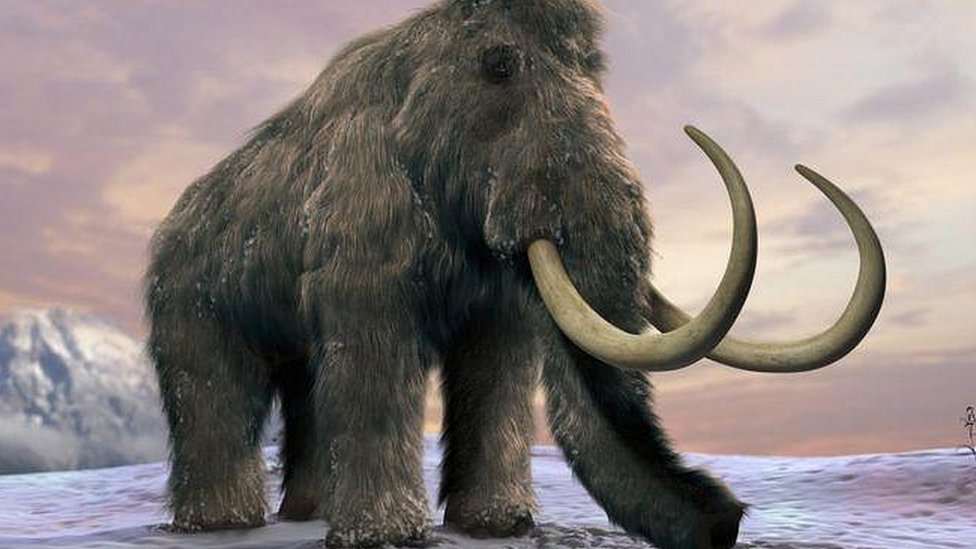
The image shows a large mammoth with thick dark fur and two long curved tusks. It stands in the snow, with a light sky with pinkish clouds behind it and a snowy mountain in one corner. The animal looks very realistic, but it is not a photograph: judging by its quality and composition, it resembles a computer reconstruction or an illustration.
So the picture has nothing to do with a real fraud case. It serves the word: the woolly mammoth is an extinct giant, and in the joke it becomes the image of a naive victim.
Where the word “mammoth” comes from
The word “skam” comes from the English “scam”, meaning fraud. From it came the verb “zaskamit”: to cheat, to take in. Those who run such schemes call their victim a “mammoth”, meaning a person who understands technology poorly and readily believes an offer.
One outlet wrote that the “Mamont” scheme became known in summer 2019: people were promised big discounts on marketplaces and were sent to fake websites. Similar schemes later returned ahead of sales.
From slang to meme
According to one explanation, the expression “zaskamil mamonta” became widely known thanks to the track “Mamont” by rapper Scally Milano. One reference entry lists the song among 2020 releases. The exact date of the first joke with a mammoth and the picture could not be established, so the link to the song should be treated as a hypothesis rather than a proven fact.
It is important to distinguish three things: the slang used before the meme, the song that might have popularized the word, and individual 2021 jokes that put the phrase under pictures. Each has its own date, and they should not be mixed up.
How the joke works
The meaning rests on contrast. The mammoth is huge, ancient and imposing, while “to scam” is a word from the world of petty fraud. The result is an image where a giant turns out to be naive, and his being fleeced is routine.
In ordinary speech the phrase often becomes self-irony: “Scammed” is said about any small matter where you were outwitted. The meme uses this lighter version: real fraud schemes are not glorified, and the joke mocks a situation where someone believed too easily.
Invented captions
“A friend said he'd chip in for a present. Scammed the mammoth.” The joke is that a word that sounds like a crime covers a trivial everyday matter.
“Bought a ticket under the ‘last day’ promotion, but the last day lasts a month. I got scammed, I'm the mammoth.” Here the hero calls himself the mammoth: self-irony makes the joke gentle.
“Me: fine, I'll buy one more membership. Seller: scammed the mammoth.” The comedy comes from the roles being named outright, with no excuses.
“The cat scammed me into a second helping of food.” The animal takes the role of the fraudster and the person that of the victim, so the expression loses its criminal tinge.
Where to use the picture
The image suits captions about being outwitted over something small, or about you outsmarting a friend. It is better not to use it in captions about real people who were defrauded: genuine fraud causes losses, and a joke about someone's misfortune stops being funny.