What kvadrobika is
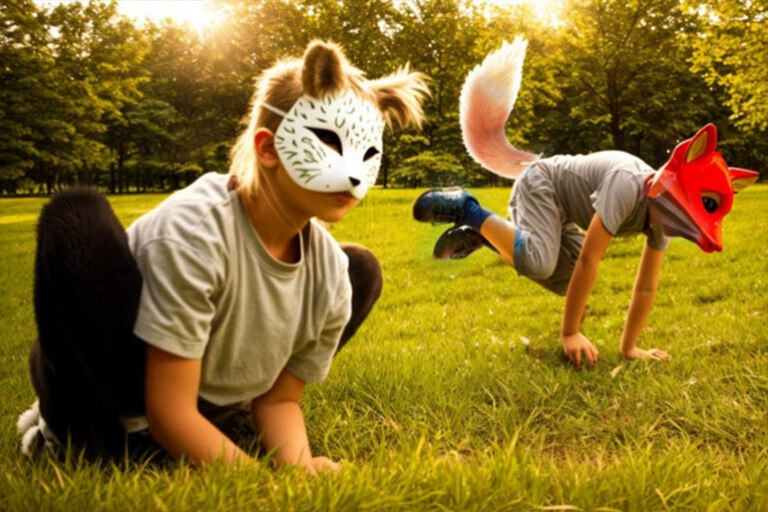
Kvadrobika is an exercise and play practice based on moving on four limbs and imitating certain animal movements. Participants may run, jump, or practice landings; masks, gloves, and tails add visual flair to the look, but they aren't a required part of the physical exercise. The practice grew out of online communities and became especially noticeable among children and teenagers.
In Russia, kvadrobika started being widely talked about in the spring and summer of 2024. Videos often showed it alongside animal costumes, which sparked wide discussion and sometimes alarmed statements. It's important to separate the observable activity — movement and costumed play — from interpretations about who the participants are and why they do it.
Kvadrobika and other communities are not the same thing
Kvadrobika is sometimes conflated with therianthropy, furry culture, or role-play. These are related to different practices. Kvadrobika describes moving on all fours and exercising; therianthropy refers to some individuals' self-identification; the furry community centers on anthropomorphic animal characters and the creative work around them. There can be overlap between people in these groups, but it is incorrect to automatically equate them.
Wearing a mask doesn't prove that a child thinks they're an animal or needs psychological help. It could be a costume, a game, a dance, or an athletic interest. Participants describe the hobby differently themselves. So conclusions about identity shouldn't be drawn from a single video, and it's more useful for parents to talk with their child about their experience and follow ordinary physical-safety rules.
Why the trend ended up in the spotlight
In short videos, unusual movement grabs attention right away, and masks and jumps make for striking shots. Users repeated the tricks, filmed parodies, discussed gear, and came up with costumes. Media interest grew after public arguments about the children's hobby. As a result, the term came to be used both as the name of the physical practice and as a general label for a youth subculture, even though these are different levels of discussion.
Like many trends, kvadrobika attracted both positive and critical coverage. Some posts showed training and creativity, others mocked participants or portrayed their behavior as a threat. Such opposing framings can distort the group's real diversity. A single short clip usually shows only a chosen moment, not a person's full life or motives.
What the illustration shows
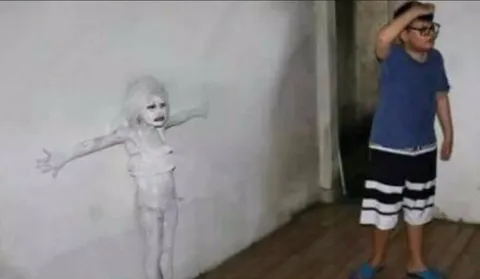
The picture shows a person in a dog mask or another animal mask in an open field next to a horse; the composition looks staged and mixes a realistic setting with a playful image. Without the original video, you can't tell where it was filmed, who is shown, or whether the action is actually connected to organized kvadrobika. The illustration conveys the external visual code but doesn't document any specific community.
If this frame is used to explain the trend, the caption should refer to costumed movement and animal imitation, not claim that the person shown represents all 'quadrobers.' There's no need to invent identities or intentions. The visible details are enough to name literally: a mask, a costume, a field, and a horse.
Physical safety and respect
Moving on all fours and jumping require a warmup, a suitable surface, and gradually building up the load. Falls can lead to injuries to the hands, knees, or head, so clear space and a safe landing matter a great deal. These are general rules for physical activity, not a reason to declare the activity itself dangerous or to ban it over one viral video.
Publicly mocking children can turn into bullying, especially if personal details or targeted insults are added to a video. You can joke about your own awkward movement or a failed attempt to copy a jump without calling the participant weird. If the topic is discussed seriously, it helps to distinguish between observed actions, adults' opinions, and confirmed facts.