Dale gets a new coat of arms
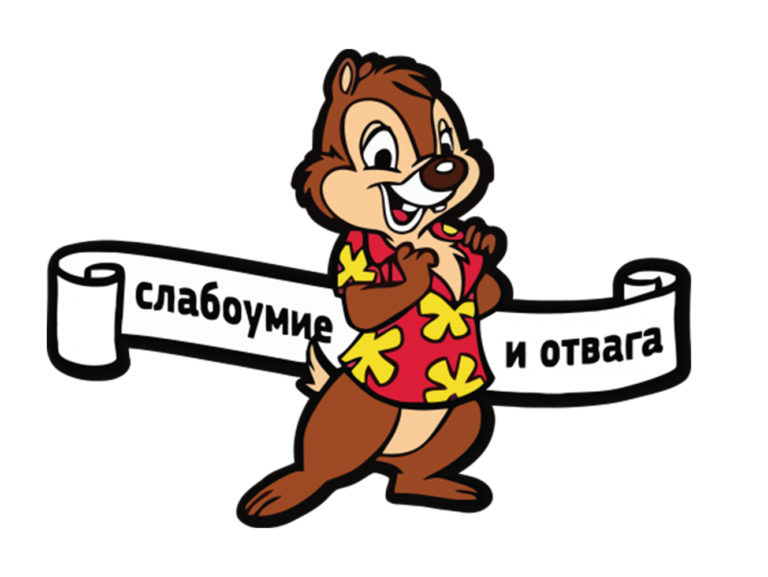
The Russian-language template is associated with the artist under the nickname vliff and with its spread on Leprozorium in 2009. In it, the character from the cartoon Chip 'n' Dale: Rescue Rangers was given a heraldic ribbon with a motto. This is already an internet drawing with new text, not a line from a Disney episode. The specific authorial contribution lies in combining a familiar face with a formula that sounds both like praise and like an admission of a bad decision.
The image spread through correspondence and communities, and the expression began to live separately from Dale. Later, other mottos were built on the same structure, joining two qualities with the conjunction “and”. The idea of a comic portrait of a person through a short pair of concepts was preserved. The early history is usually retold through these posts and their authorship; it does not justify declaring any later drawing to be that very first upload. For the meme, what matters more is the stable combination of the hero, the ribbon, and the words.
What cheerful resolve looks like
Dale is shown on a white background in a red shirt with a yellow floral pattern. He has a red nose, wide-open eyes, and two protruding front teeth. His muzzle is stretched into a contented smile, and one paw is near his chest. Beneath the figure runs a white ribbon with a black outline: on the left is written “Stupidity” and on the right “and courage”. The drawing shows no dangerous act, so its content is defined above all by the motto.
Heraldic styling usually promises dignity and serious values. Here it sits over a funny cartoon chipmunk, and the first half of the formula clearly undermines the second. The smile does not look like regret after a failure: the hero seems sure in advance that everything will work out. That is why the picture is especially expressive before a risky action, when there are no consequences yet but there are already plenty of sensible reasons to refuse.
Why the two halves don't add up to praise
Courage in itself presupposes readiness to face difficulty. The neighboring word turns boldness into an absence of calculation: the hero acts resolutely precisely because he has not weighed the task. From this contradiction arises a gentle self-irony. A person can send a meme about their own plan and at the same time admit it is dubious, without giving up the intention. The solemn motto makes a small everyday impulse look like a principle for a whole life.
In another context the picture describes an observer watching someone else's confidence. Then Dale's smile depicts not the narrator but a friend with yet another initiative. The difference comes from the caption: “this is me” sounds like a confession, while “this is him” sounds like a friendly assessment. The format also works after a result, but the meaning shifts: recklessness has unexpectedly succeeded, and the motto takes on a tinge of surprised triumph.
Invented heroic plans
The first invented example: “Start cooking a complicated cake an hour before the guests arrive.” Dale becomes a person who has already got out the pan, even though the recipe requires a lot of time. Another variant: “Go away for the weekend with one backpack and buy the return ticket later.” There is real resolve in this joke, but the absence of a considered continuation keeps the motto from being read as an ordinary compliment to bravery.
The third scenario: “Agreed to perform at karaoke because I know the chorus.” The smile signals brief confidence before long unfamiliar verses. All three situations are invented and do not belong to the cartoon's plot. What unites them is one recognizable pause: a person sees only the attractive part of the venture and cheerfully skips over the rest. The ribbon turns this temporary lack of calculation into a festively formatted creed.