The chase after a friend turns into a plan of mischief
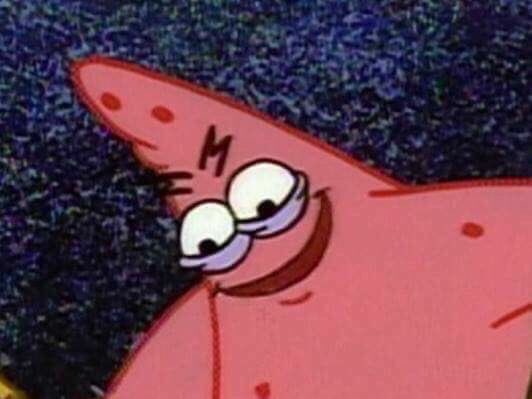
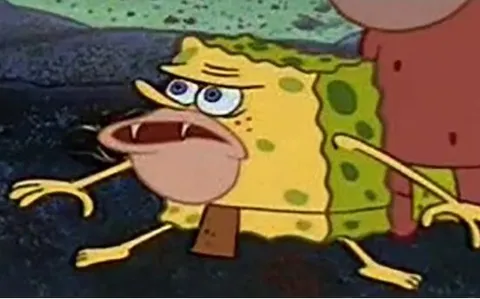
The frame comes from the episode “Nature Pants” from the first season of SpongeBob SquarePants, which aired in 1999. SpongeBob decides to leave his usual life and settle with the jellyfish. Patrick wants to bring his friend home and then chases him with a net. The facial expression is therefore tied to a specific comic action within the cartoon, not to a separate scene of a villainous plot.
The image's new internet life began much later. In late February 2018 it was spreading on Twitter; among the known early posts, the account bvercetti__ is mentioned. In the following days, variants appeared on Reddit, and in early March Russian-speaking users also discussed the image. These records show the beginning of a noticeable wave but do not allow naming a single person who first saw a suitable reaction in the frame.
In English-speaking circles the names Evil Patrick and Savage Patrick occur. Different versions of the name emphasize anger, cruel joking, or sudden audacity. The Russian name, “Zloy Patrik,” fixes the general mood, although the character here looks more pleased by a future prank. The old cartoon supplied the facial expression, and the captions of 2018 gave him new reasons to smile.
What remains in close-up
The picture shows Patrick's head and the upper part of his pink body. The head is tilted, the pupils point downward, shadows are visible under the eyes, and the mouth is stretched into a wide smile. The dark blue background looks grainy, like the drawing itself. The crop emphasizes the facial expression and leaves almost everything happening around it outside the image.
The net is not visible in this version: it belongs to the full cartoon scene. For a reaction image this is a successful cut. The viewer gets a face with an already settled mood, but not an object that would unambiguously explain the plan. It is the caption that occupies the vacated place and tells who Patrick is going to cause trouble for and by what means.
A smile before a small catastrophe
In most variants the image conveys the moment before an action. A person notices an opportunity to break a rule, take advantage of someone else's mistake, or answer irritation with an equally small annoyance. The smile shows that the result has not yet arrived, but already gives the hero pleasure. This temporary pause distinguishes the meme from a picture with a violent reaction to something that has already happened.
The mismatch between the scale of the plan and the facial expression works especially well. A small everyday trick takes on the look of a carefully prepared scheme. The caption may be written in the first person, so Patrick becomes an image of one's own inner voice. In that case the author admits to a comic meanness, while those around recognize the familiar temptation to do something out of spite.
Three new small intrigues
In an invented office chat, a colleague asks to name a file clearly. The hero renames it “clear” and writes under Evil Patrick: “When I did exactly what was asked.” The prank rests on a collision between a normal work expectation and an accurate but useless answer.
In another invented sketch, a player sees that a friend is neatly sorting items into drawers. He swaps the labels “stones” and “wood” without touching the contents. Patrick's smile depicts the pleasure of a second of confusion to come; the dramatic conspiracy exists only at the scale of a virtual warehouse.
The third variant is about a home alarm clock. After an argument about loud notifications, the hero chooses a ceremonial fanfare sound for the timer and captions it: “When asked for a shorter signal, but not a quieter one.” Here the plan is funny thanks to a loophole found in the wording. Each of these scenes gives the face a clear reason to smile before the others notice the prank.