A character from gaming streams
The Valakas persona took shape in a gaming environment connected, among other things, with Lineage II. The nickname GLADIATORPWNZ links the image to that gaming environment, and the deliberately elderly voice gradually became a separate recognizable part of the performance. Instead of an ordinary game commentary, the viewer hears a character who can talk, get indignant and get distracted by entirely unrelated topics.
Around him the names Glad Valakas, Valery Albertovich Zhmyshenko and Denis Petrov have stuck, including a crude remake of the last. The repeated age of “54 years” refers to the role of an invented old man. Short fragments, phrases and fan images came out of the streams: for many viewers, meeting the character began with such a clip rather than with a full gaming broadcast.
The avatar has a different story
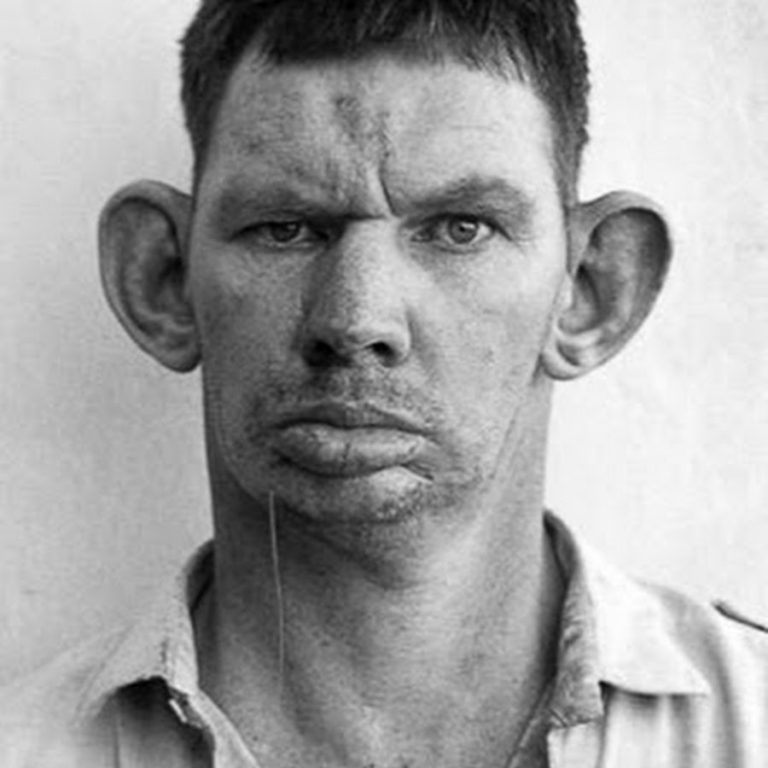
The black-and-white portrait comes from Roger Ballen's work “Dresie and Casie, Twins, Western Transvaal,” shot in 1993. The original depicts two brothers from South Africa; the avatar uses a large fragment with one of them. The photograph existed as an independent artwork long before the streams appeared and was not shot for Valakas.
In the meme version the man looks straight into the camera. Short hair, large ears, furrowed brows and an open collar of a light shirt are visible; the background hardly distracts from the face. The tight cropping removes the second brother and the surrounding scene, turning the photograph into a separate sign of the character. Recognition of the avatar rests on a link forged by streams and memes, not on the portrait supposedly showing the real host.
How the voice stays in a still picture
With Valakas, the image is often read together with an imagined intonation. Short words like “kavo” or “lya” recall the manner of speech; a deliberately incorrect spelling helps one see the sound in the text. After getting acquainted with the clips, a viewer can mentally say the caption in the same voice, even when faced with only a still portrait.
The difference between an ordinary game commentary and Zhmyshenko's line rests on this. The same play can be described technically, or turned into a small performance by an elderly character who grumbles, is bewildered or unexpectedly stays calm. The comic effect comes from a mismatch between role and circumstances: as if a man with habits from another everyday life had ended up inside an online match. The serious face in the avatar strengthens the delivery but does not by itself establish the emotions of the man Ballen photographed.
Memes about your man in someone else's setting
One can imagine a new caption for the portrait: “When the router manual suggests talking to the cloud instead of repairing it” — with the character's voice added: “Wut? I'm talking to a cloud, and it doesn't answer me.” An everyday technical action turns into a reason for the character's bewilderment. Another invented plot: a guild discusses a complex raid tactic, and Zhmyshenko rates the plan with a line like “Ya, it's like starting a tractor, only harder,” as if someone were explaining to him something from a completely different, non-gaming life.
A third variant plays on the constancy of the invented age: computers, games and interfaces change, while the hero invariably replies “Me, wut, fifty-four” — as if the stage age mattered more than any new interface. What matters here is the convention of the stage persona: it can remain familiar while time passes around it. That is why memes about Valakas form a whole manner of recognition: the photograph serves as the role's face, the caption summons its voice, and an everyday or gaming situation gives this voice yet another reason to sound.