What the image shows
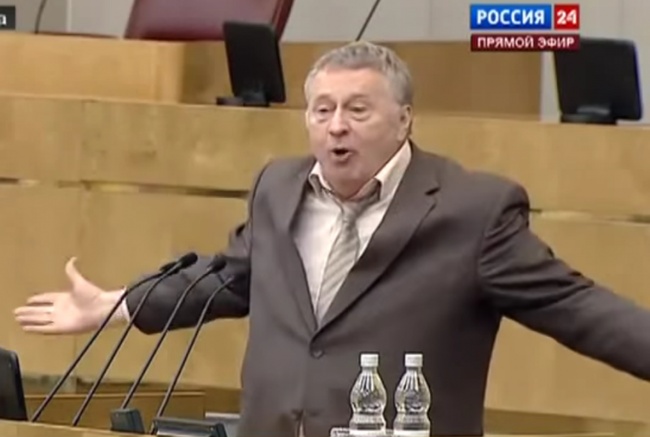
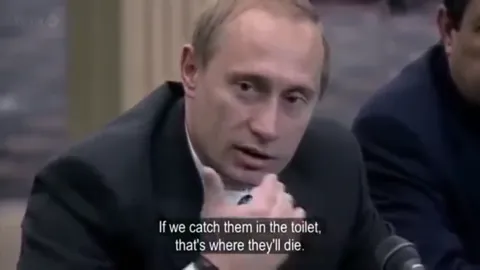
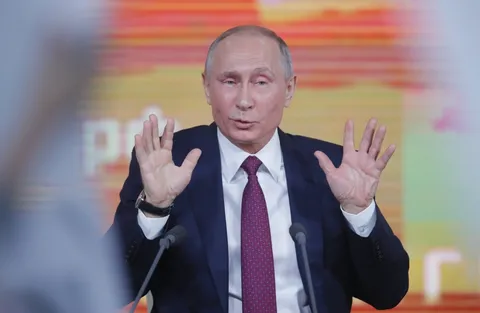
The image shows a frame from a live broadcast on the Russia 24 TV channel of a State Duma session. A man in a gray jacket and a light shirt with a tie stands at the podium, microphones set up in front of him, with two bottles of water visible on the table. One hand is held out to the side, palm up, the other is thrown wide open, his mouth is open, and his expression looks forceful and impassioned. In the top left corner the channel's logo and a "Live" banner are visible, confirming that this is a fragment of a live recording rather than a staged scene.
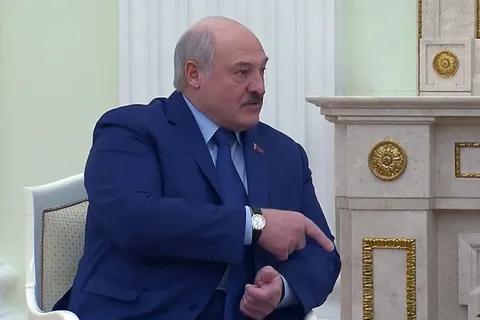
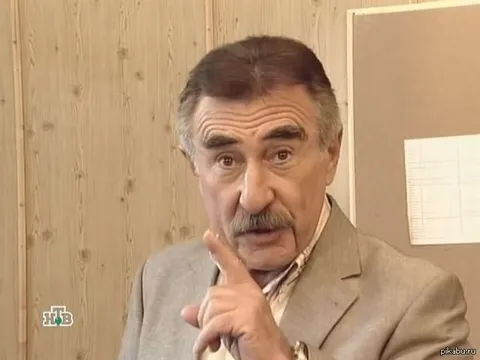
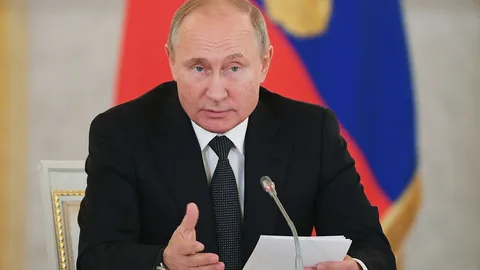
It was exactly this pose and facial expression that became the basis for the meme. In the comics Zhirinovsky is usually drawn as a character who talks, waves his arms, and demands attention, and the captions across the four panels unfold his emotional speech into a complete story with a setup, a build-up, and a punchline. The recognizability of the image is key here: one gesture or facial expression is enough for the viewer to instantly understand who is being depicted and to be ready for the comic twist.
History and origin
The exact author and date of the first Zhirinovsky comics are not known. The series dates to 2012, which is consistent with the period when the politician's image was being actively discussed on the Russian internet: his colorful speeches in the State Duma and public statements regularly became the subject of jokes and parodies, and video recordings circulated on video hosting sites and social networks.
Zhirinovsky was one of the most prominent figures in Russian politics from the early 1990s onward. He led the LDPR, ran for president several times, and was known for sharp, unexpected, and often provocative statements. He died in April 2022. His image online existed for a long time in the form of video clips, quotes, and memes, and the comics became one way of translating these episodes into text form while preserving his recognizable facial expressions and gestures.
How the meme is used
The typical pattern of the comics goes like this: the first panels show Zhirinovsky declaring or demanding something, in the next he raises his tone, and the final panel delivers an absurd or unexpectedly mundane punchline. The captions are usually written in the first person or in a monologue style, and they often play on his signature phrases, intonations, and his habit of interrupting people he's talking to.
The meme itself also works as a parody of political rhetoric in general: hyper-emotionality, promises to "do everything," and absolute confidence in one's own rightness become objects of mockery. That's why the comics are often used in arguments and discussions where someone needs to ironically comment on another person's heated speech or overly emotional reaction. In such cases a single panel with a recognizable gesture is enough to convey the point without lengthy explanations.
Why the meme caught on
The meme rests on the recognizability of the image. Zhirinovsky is easy to identify by his facial expressions, gestures, and intonation, so even a short caption in his "signature" tone is instantly understood. This is a typical mechanism for character-based memes: the reader already knows who is speaking, and the joke works on the contrast between expectation and what the caption actually says.
The second factor is the format. A four-panel comic is convenient to spread: it's easy to forward, turn into an image, and add new text to. In addition, the meme doesn't require knowledge of a specific bill, session, or episode, so it stays understandable even years after its peak popularity. For an audience that didn't follow politics, the comic simply works as comedy about a character, while for those familiar with the context it adds a layer of irony about the manner of public speaking itself.
Attitude toward the person depicted
The meme concerns a public politician and his public activity, not a private individual. Public opinion of Zhirinovsky himself was divided: some saw in him a vivid and charismatic figure capable of saying what others were afraid to voice, while others criticized his statements for populism and harshness. The comics don't require a definitive judgment and serve more as a way to poke fun at the style of his speeches than at the personal qualities of the man himself.