What's shown
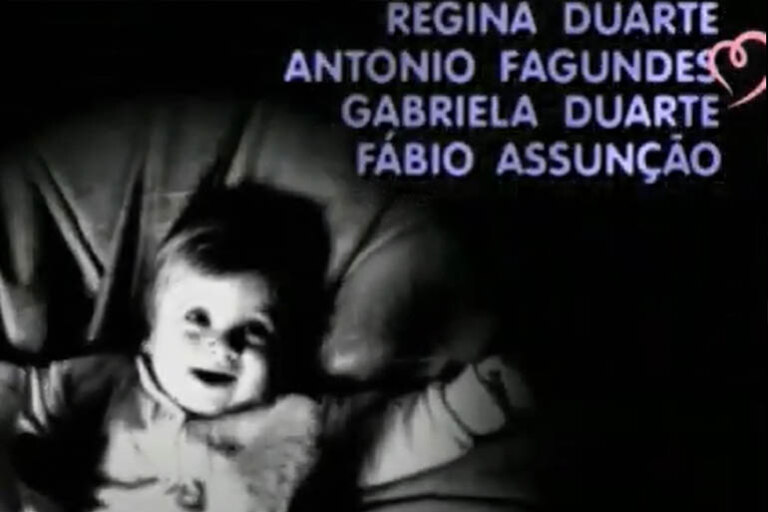
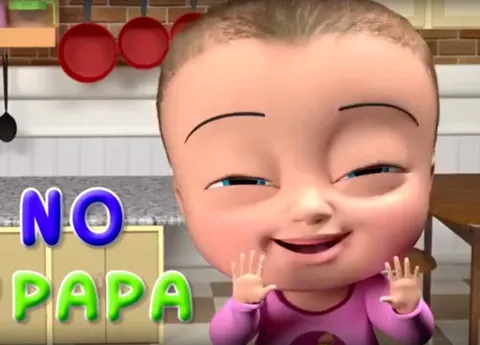
The shot is deliberately high-contrast and a bit mysterious: a smiling child is visible in the darkness, while above, in large type, are listed Regina Duarte, Antonio Fagundes, Gabriela Duarte, and Fabio Assunção. This list is a cue for viewers of a Brazilian TV drama, not a caption on an actual family photo. The names tie the image to the cast and to the emotional storylines that made the characters and performers recognizable.
Specifically, Regina Duarte and Antonio Fagundes played central roles in the series Por Amor ("For Love"), created by Manoel Carlos and aired in the late 1990s. In the plot, Duarte's character makes a difficult decision following a tragedy connected to childbirth; the story gradually reveals its consequences for the family. Since the shot includes no explanation tied to a specific scene, it's best not to claim the exact episode based on one image alone.
Why the names trigger recognition
For viewers familiar with Brazilian telenovelas, the actors' names alone recall sprawling family plots, secrets, and emotional confessions. The compact list works as a cultural password: it refers to familiar faces even if the visual part doesn't show all the people listed. The black-and-white treatment heightens the sense of an archival shot and gives the joke the tone of remembering a drama people discussed long ago.
Reports on the series note that its final episodes and plot twists remained a topic of widespread discussion even years later. The meme version usually compresses a long story into one expressive shot and a list of names. That's exactly how the meaning gets conveyed: the viewer recognizes the actors or the title, and then recalls on their own the characters' disproportionately strong reaction. Without that cultural context, the picture might seem random.
Ways to use it
This template fits a joke about a series the viewer put on "for just one episode" and then got pulled into a complicated family intrigue. Such a shot gets captioned with phrases like: "Put it on for five minutes before bed" — followed below by a list of actors and characters who are once again about to hide an important secret, or: "Thought I'd finished it, and here's a new episode of family secrets." You can also play on familiarity with the cast: one shot triggers the memory of an entire era of soap operas.
If the audience doesn't know the original series, it's better to add a clear line explaining why these names are grouped together. Don't present the meme as an exact chronicle of events in Brazil or as a photo of the actors in one scene: the image doesn't confirm that. It's more accurate to speak of a cultural association and a viewer's memory. The unusual smile in the shot supports the reaction "I see where this is going" well, but it doesn't prove that the character actually belongs to the listed story.
Context matters more than guesswork
When describing an image like this, it's worth separating established fact from meme interpretation. What can be established is that Regina Duarte and Antonio Fagundes took part in well-known joint television projects, including Por Amor; the names written over the picture can also be described. But without the original post, one can't say with confidence who added the text, exactly when the template appeared, or what specific line it's meant to depict.
That's exactly why it's best to leave the article open to several readings: for some it's a reference to a particular drama, for others it's a reaction to overly convoluted soap operas in general. To make a new version, you could swap the list of actors for character names or plot-twist titles while keeping the composition and the light nostalgia. The main thing is not to attribute words or actions to real people that aren't actually in the image.